
Why Rolls-Royce EX Motor Cars Are Not Conventional Concepts
Rolls-Royce EX motor Cars: Where ideas become reality.
Long before a new idea reaches a production Rolls-Royce, it may first take shape as something far more unusual: an Experimental, or EX, motor car.
Rolls-Royce EX Motor Cars are not conventional concept cars created simply to preview a design. Rolls-Royce describes its Experimental cars as fully functioning vehicles that give designers and engineers an opportunity to explore new technologies, materials, forms and engineering solutions in the real world.
That distinction has made the EX program an important part of Rolls-Royce development for more than a century. Some experimental ideas have ultimately influenced production vehicles, while others have remained exercises in what might be possible. Either way, each EX motor car gives Rolls-Royce an opportunity to turn an idea into something that can actually be experienced.
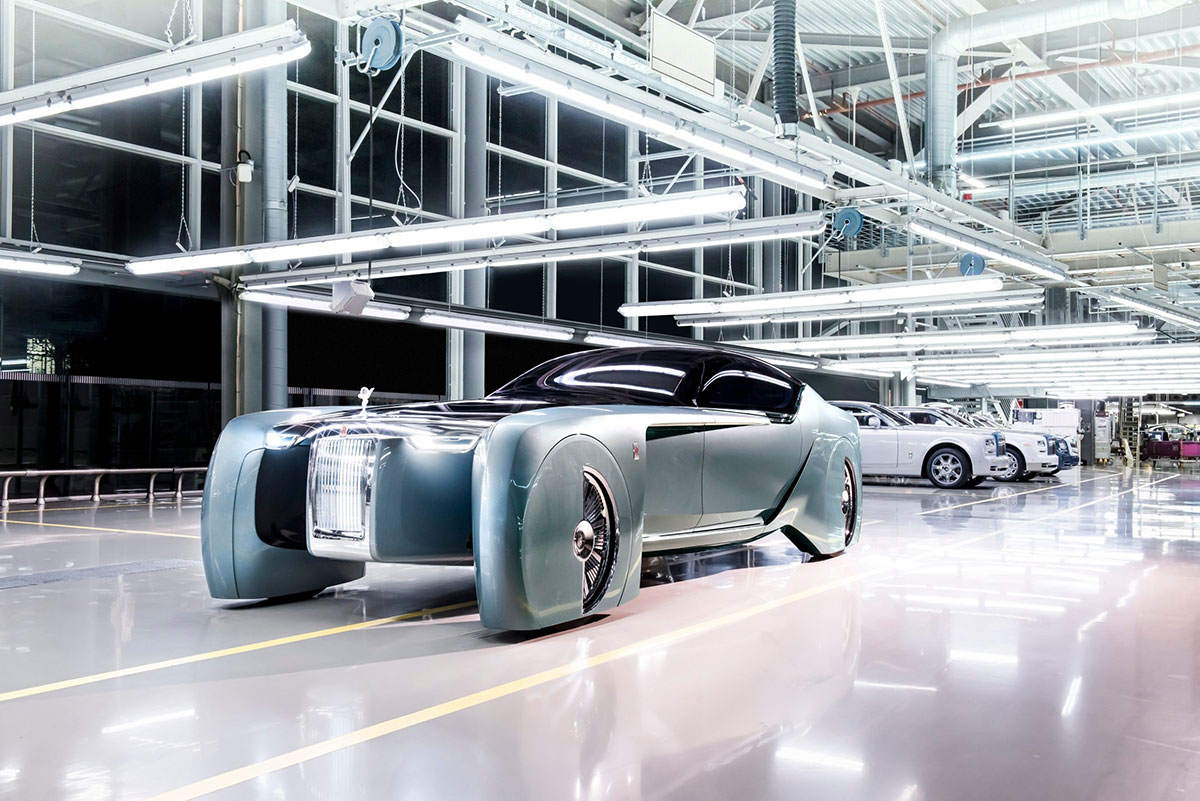
How Rolls-Royce EX motor cars help shape the future.
The history of Rolls-Royce Experimental motor cars stretches back much further than the modern Goodwood era.
The EX designation began with 1EX in 1919 and continued through 45EX in 1958. These early experimental vehicles gave Rolls-Royce engineers a practical way to investigate new approaches to performance, engineering and vehicle development. Rolls-Royce revived that philosophy in the modern era with 100EX in 2004.
Since then, the marque has used its Experimental motor cars to investigate everything from new body styles and construction methods to battery-electric propulsion and highly personalized visions of future luxury. Learn more here.
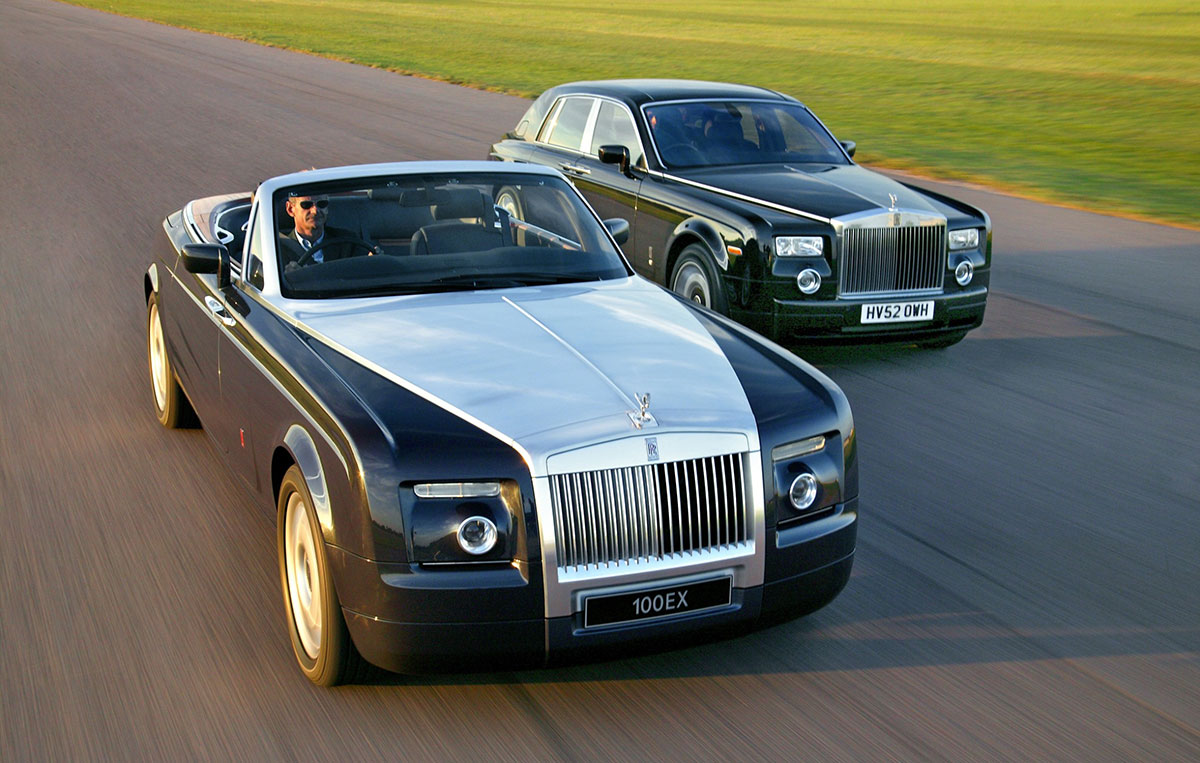
100EX: Reimagining the Rolls-Royce Drophead
Unveiled at the Geneva Motor Show in 2004, 100EX celebrated the centenary of the first meeting between Charles Rolls and Henry Royce.
The two-door drophead featured a shortened version of Phantom VII's aluminium spaceframe and an extraordinary 9.0-liter V16 engine. Its design also incorporated nautical influences, including teak decking inspired by classic J-Class racing yachts.
100EX was never intended to enter production in its original form. However, the project had a lasting influence. Its design direction evolved into the Phantom Drophead Coupé, introduced in 2007 with a production V12 powertrain.
That relationship illustrates an important part of the EX philosophy: an experimental Rolls-Royce does not have to become a production vehicle exactly as presented for its ideas to move forward.
Check out the: Phantom Centenary Private Collection
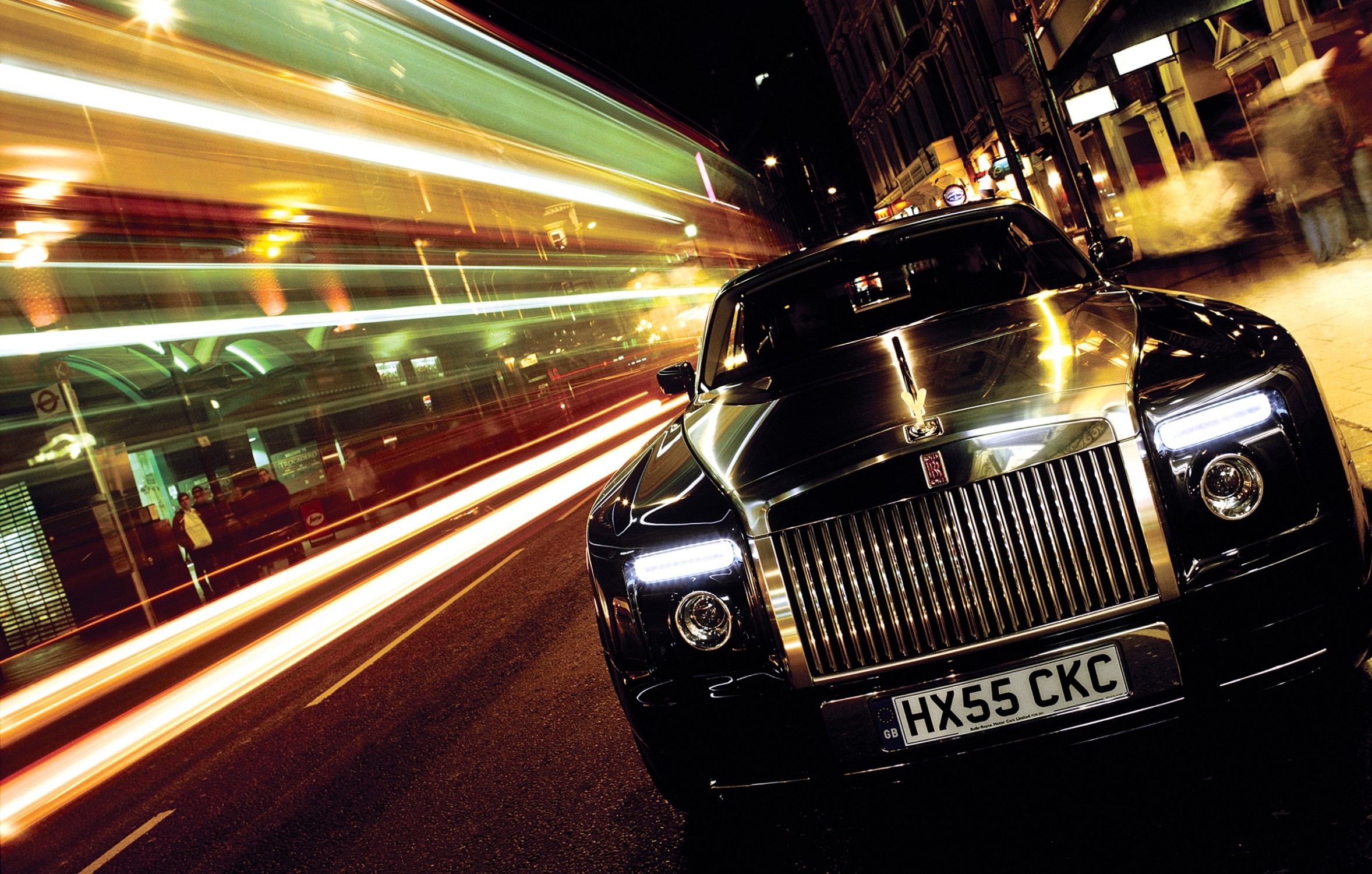
101EX: Exploring a New Rolls-Royce Coupé
Two years later, 101EX explored another interpretation of the Phantom architecture.
Presented in 2006, the four-seat coupé used a shortened aluminium spaceframe and carbon-fibre-composite bodywork. Its lower roofline, shallower glass area and more compact proportions gave the vehicle a more driver-focused character than Phantom VII.
Its influence extended well beyond its exterior design.
101EX introduced the Starlight Headliner, using hundreds of fibre-optic lights to create the appearance of stars across the interior roof. The feature would become one of the most recognizable elements of modern Rolls-Royce Bespoke design.
The experimental car also provided the foundation for the Phantom (Fixed-Head) Coupé, which entered production in 2008. Rolls-Royce has additionally credited the project with providing insights into materials and construction techniques that later informed its modern Coachbuild work.
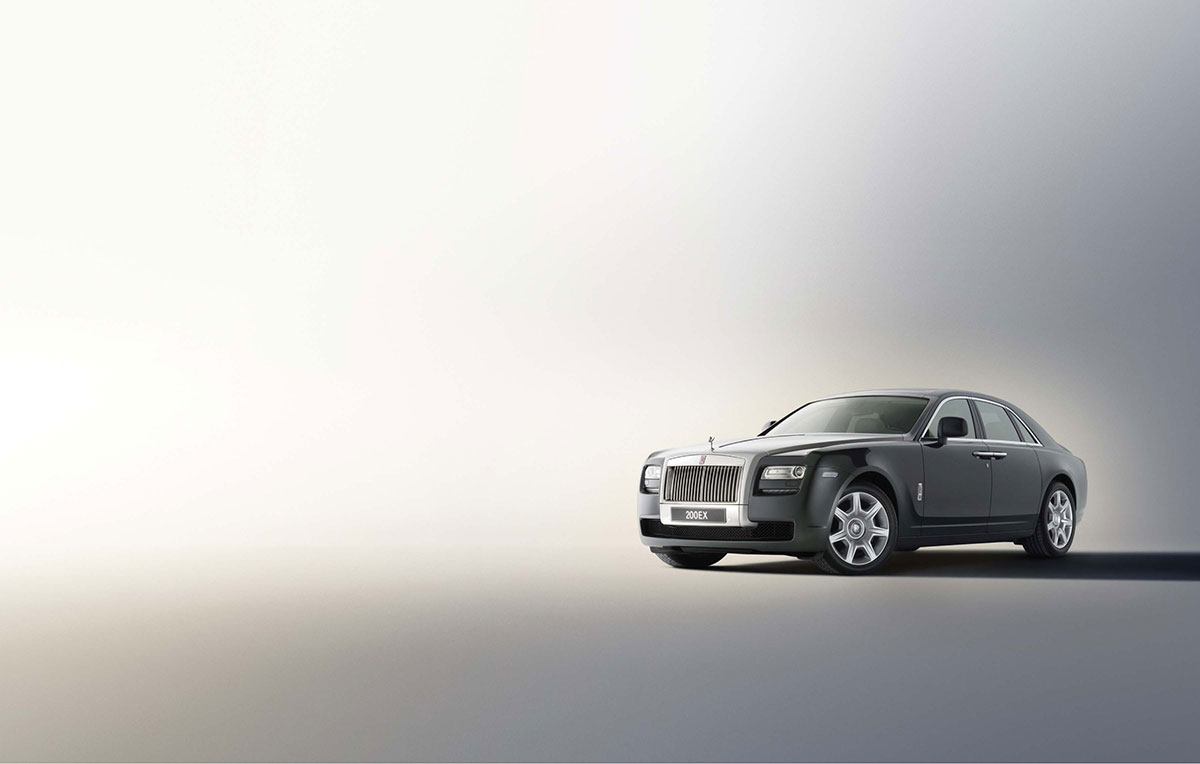
200EX: The Experiment That Led to Ghost
The EX story did not stop with two-door Rolls-Royce motor cars.
Introduced at the Geneva Motor Show in 2009, 200EX explored a smaller, more contemporary four-door Rolls-Royce. Unlike some other EX projects, 200EX was explicitly developed with production in mind.
Its design was intended to retain the refinement and presence expected of a Rolls-Royce while creating a motor car with a more dynamic and less formal character than Phantom.
The experiment ultimately became the foundation for the first-generation Rolls-Royce Ghost, launched in 2010.
Check out the: Rolls-Royce Black Badge Ghost Tourist Trophy
102EX: Putting Electric Rolls-Royce Propulsion on the Road
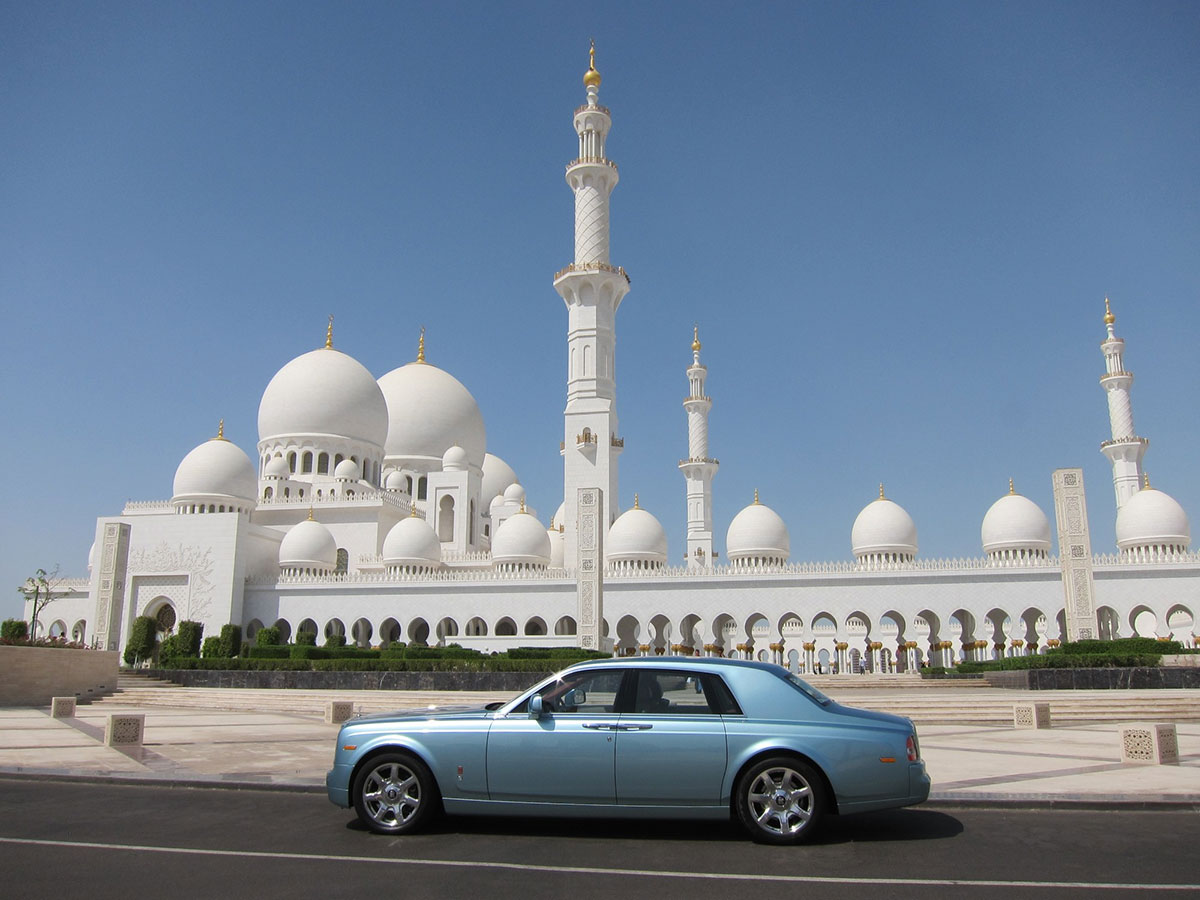
In 2011, the EX program took on an entirely different question: could battery-electric propulsion deliver an experience appropriate for Rolls-Royce?
The answer was explored through 102EX, also known as the Phantom Experimental Electric. Rolls-Royce replaced Phantom's conventional powertrain with a fully electric drivetrain, creating what the marque identifies as the world's first super-luxury battery-electric vehicle.
But 102EX was more than an engineering demonstration.
Following its Geneva debut, the motor car embarked on an international tour that allowed Rolls-Royce owners, media, enthusiasts and members of the public to experience the technology and provide feedback. Rolls-Royce says the technical information and user responses gathered through the program proved important to understanding the possibilities and practical challenges of battery-electric propulsion.
That work became particularly significant years later. Rolls-Royce has directly connected the knowledge gathered through 102EX with the development path that eventually led to Spectre, its first series-production fully electric motor car.
In other words, 102EX allowed Rolls-Royce to investigate electric propulsion through an actual working vehicle long before an electric Rolls-Royce reached production.
Check out the: 2027 Rolls-Royce Spectre Series II
103EX: A Vision of Luxury Beyond the Driver's Seat
Where 102EX investigated an immediate engineering question, 103EX looked much further into the future.
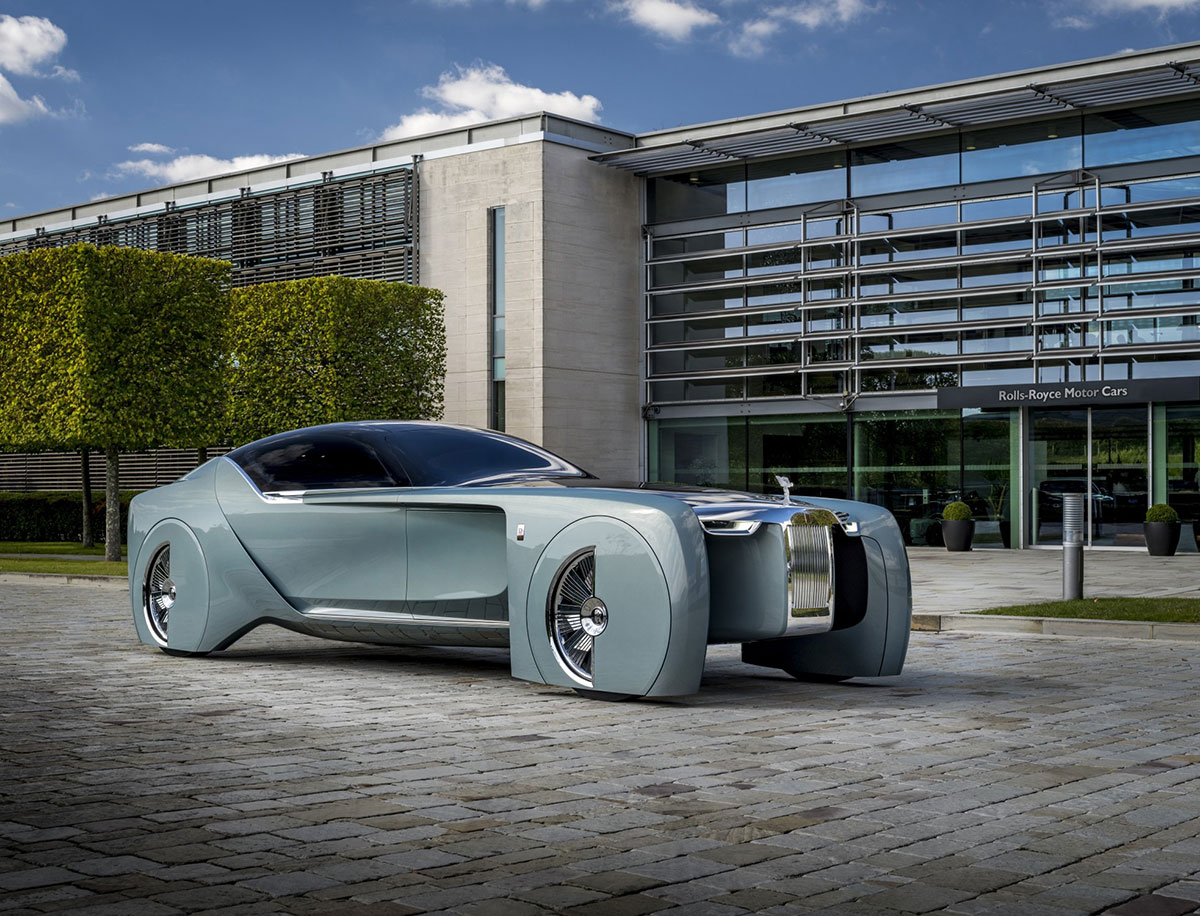
Unveiled in 2016 as the Rolls-Royce Vision Vehicle, 103EX explored a future built around electric propulsion, autonomous driving and extensive personalization. Rather than simply previewing a forthcoming production vehicle, it considered how the entire Rolls-Royce experience might evolve.
Its passenger compartment, called the Grand Sanctuary, replaced conventional seating with an expansive sofa and surrounded occupants with carefully selected materials. The vehicle also introduced a digital assistant called Eleanor, conceived as an interface between the motor car and its owner while supporting a fully autonomous driving experience.
The result was deliberately visionary. 103EX was not a preview of one upcoming Rolls-Royce; it was an exploration of what effortless luxury mobility could eventually become.
Why Rolls-Royce EX motor cars matter.
For more than a century, Rolls-Royce EX Motor Cars have turned forward-thinking ideas into real-world innovation. From design features that influenced Phantom and Ghost to the electric technology explored with 102EX before Spectre, the EX program has helped shape the evolution of Rolls-Royce Motor Cars.
Today, that spirit of innovation continues across the Rolls-Royce lineup. Discover the latest Rolls-Royce technology, craftsmanship, and Bespoke possibilities at an indiGO Auto Group Rolls-Royce dealership.
Recent Posts

Categories:
Take a look at our latest New Inventory
View New Inventory.png)


